Condition Guide

Jaw Fracture

A jaw fracture is a serious facial injury requiring prompt evaluation. Changes in bite alignment, jaw pain, or facial swelling after trauma are urgent signs — seek specialist assessment today.

Seek Urgent Care

Bite change after facial trauma is a red flag for jaw fracture. Do not delay seeking specialist evaluation — early treatment prevents complications.

Overview

What Is a Jaw Fracture?


A jaw fracture (mandibular or maxillary fracture) is a break in one or more of the bones of the jaw. The lower jaw (mandible) is the most commonly fractured facial bone, accounting for a significant proportion of all facial fractures seen in emergency departments. The upper jaw (maxilla) may also fracture, often as part of more complex midface injuries.

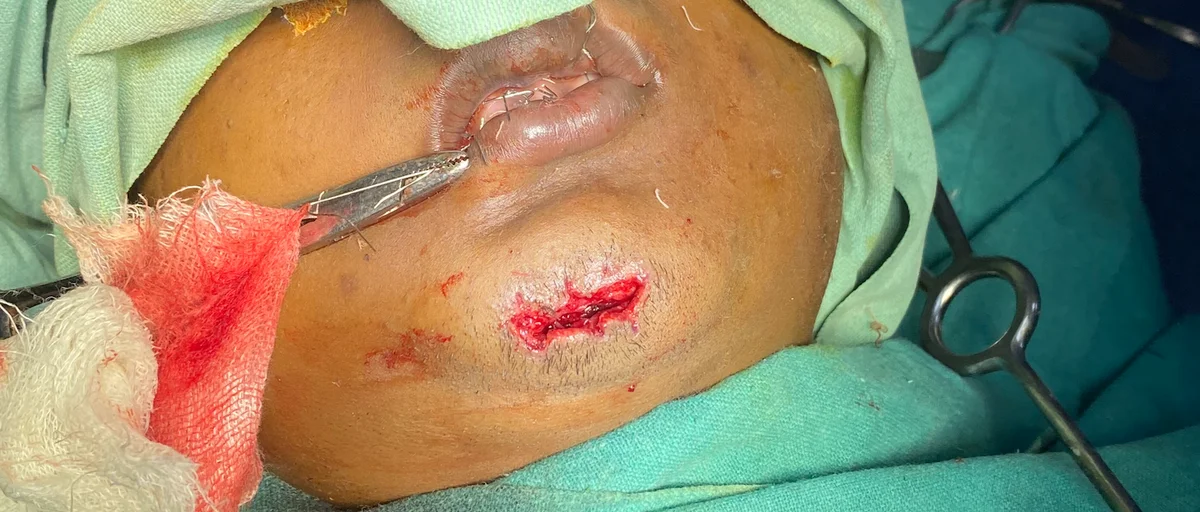
Jaw fractures occur following road traffic accidents, falls, assaults, sports injuries, or industrial accidents. Because the mandible forms a ring-like structure, forces applied to one part of the jaw frequently cause fractures at two sites simultaneously — for example, a blow to the chin often fractures the symphysis (front of the jaw) and one or both condyles (the jaw joints) at the same time.

Treatment of jaw fractures requires specialist maxillofacial surgical expertise. Dr. Abhisek Chatterjee manages jaw fractures at Asha Nursing Home and Rampurhat Government Medical College, providing emergency and elective surgical care for patients across Birbhum.
Road traffic accident Falls Assault Sports injury Workplace accident
Signs & Symptoms

Symptoms of a Jaw Fracture

These symptoms following facial trauma suggest a jaw fracture and require immediate medical evaluation.

Jaw Pain

Severe, localised pain in the jaw — particularly on attempted movement or biting — is the most immediate symptom of a jaw fracture. Pain is often worse over the fracture site on pressure.

Swelling & Bruising

Significant swelling and bruising over the jaw, chin, and floor of mouth typically develops within minutes to hours of the injury and progressively worsens over 24–48 hours.

Bite Change (Malocclusion)

A change in the way the upper and lower teeth meet — feeling that the bite is "off", teeth not coming together normally, or an open bite — strongly suggests jaw fracture with displacement.

Difficulty Opening the Mouth

Restricted or painful jaw opening (trismus) may indicate a condylar fracture, muscle spasm, or haematoma limiting jaw movement.

Numbness or Tingling

Altered sensation or numbness in the lower lip, chin, or teeth on the affected side indicates injury to the inferior alveolar nerve, which runs through the mandible.

Visible Deformity

Obvious asymmetry or deformity of the jaw — deviation of the chin, step deformity at the fracture site, or abnormal movement of jaw segments — indicates a displaced fracture.

Fracture Types

Types of Jaw Fractures

Jaw fractures are classified by location and the bone involved. Different fracture types require different surgical approaches.

Mandible Fractures

Symphysis, parasymphysis, body, angle, ramus, condyle

The mandible (lower jaw) is the most commonly fractured facial bone. Because it forms a ring-shaped structure, fractures often occur at two sites simultaneously. The site of fracture determines the degree of displacement and treatment approach.

Maxillary Fractures

Le Fort I, II, III — upper jaw and midface

Fractures of the upper jaw (maxilla) are classified by the level of the fracture line (Le Fort classification). They result from high-energy impacts and may be associated with other midface and skull base injuries. They cause midface swelling, "dish face" deformity, and significant bite change.

Condylar Fractures

Condylar head, neck, and subcondylar regions

Fractures of the mandibular condyle — the rounded head of the lower jaw that forms part of the TMJ — may result from a direct blow or an indirect force transmitted through the chin. They cause jaw deviation on opening, restricted opening, and preauricular pain.

Symphysis & Parasymphysis

Chin and front of the lower jaw

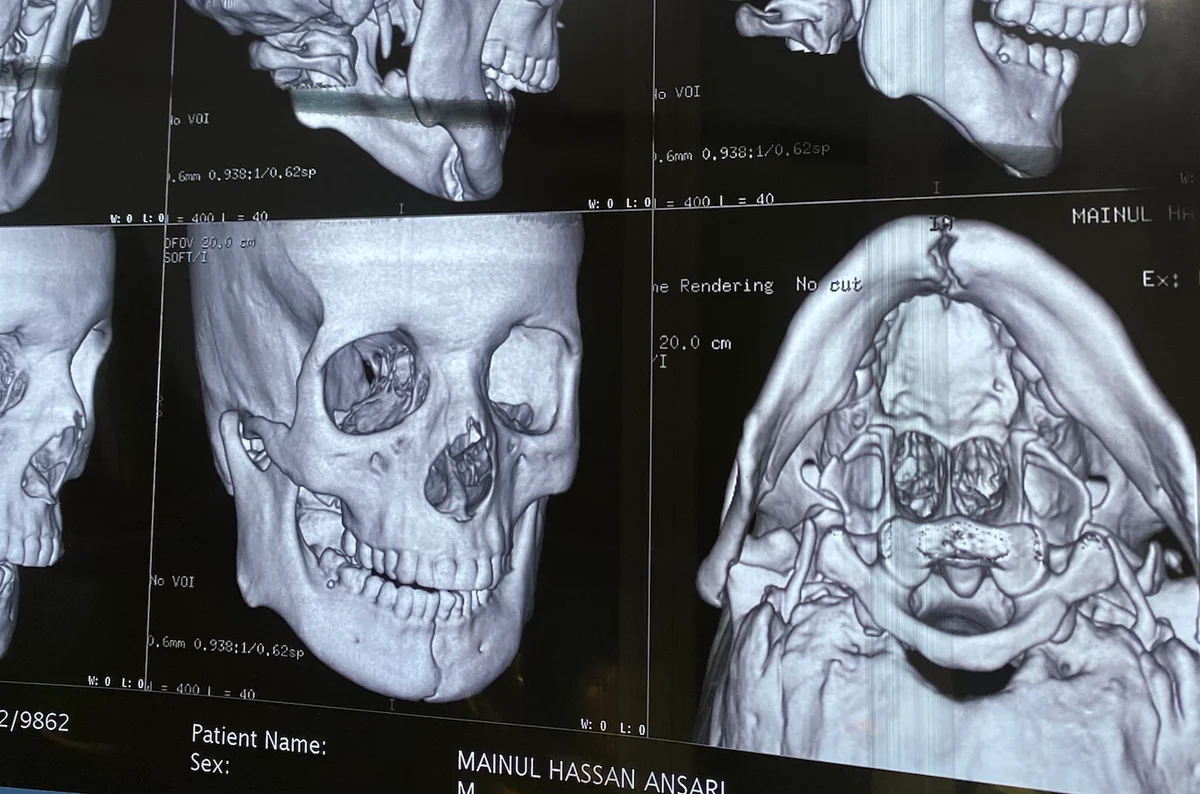
Fractures at the front of the mandible, at or beside the midline, commonly result from direct blows to the chin. They frequently occur alongside condylar fractures on one or both sides and require surgical fixation to restore jaw alignment.

Investigation

Diagnosing a Jaw Fracture


Diagnosis of a jaw fracture is based on clinical examination combined with appropriate imaging. Clinical examination includes assessment of facial symmetry, jaw movement, bite alignment (dental occlusion), tenderness on palpation, and neurological assessment of lip and chin sensation.

OPG (Dental Panoramic Radiograph)

The primary imaging for mandibular fractures. Provides a panoramic view of the entire lower jaw and both condyles. Quick, low radiation, and widely available. May miss complex fractures at certain angles.

CT Scan (Facial Bones)

Gold standard imaging for complex fractures, condylar fractures, and midface injuries. CT with 3D reconstruction provides detailed information about fracture pattern, displacement, and surgical planning. Essential for panfacial trauma and prior to surgical fixation.

Clinical Occlusal Assessment

Examination of how the upper and lower teeth meet (dental occlusion) is critical — any change from the patient's normal bite after trauma strongly indicates jaw fracture. The bite is also assessed intraoperatively to guide surgical fixation.

Treatment

Treatment of Jaw Fractures

Treatment is tailored to the fracture type, degree of displacement, and the patient's dentition and general health.

Conservative

Non-Surgical Management

Suitable for non-displaced or minimally displaced fractures, particularly condylar fractures in adults and children where the fracture is favourably positioned. Includes:

  • Liquid or soft diet for 6–8 weeks to unload the fracture
  • Analgesics and anti-inflammatory medications for pain control
  • Intermaxillary fixation with rubber bands between upper and lower teeth to maintain bite alignment
  • Physiotherapy exercises to restore jaw opening range after healing
  • Regular clinical and radiographic follow-up to monitor bone healing
Surgical

Open Reduction & Internal Fixation (ORIF)

The standard surgical treatment for displaced jaw fractures. Indicated for fractures causing bite change, unstable fractures, or those in locations requiring rigid fixation:

  • Performed under general anaesthesia with nasal intubation
  • Surgical access primarily through intraoral incisions (inside the mouth) — minimising visible scars
  • Displaced fragments repositioned (reduced) into correct anatomical position
  • Titanium mini-plates and screws applied to rigidly fix the bone
  • Dental occlusion verified intraoperatively to confirm correct bite alignment
  • Intermaxillary fixation applied after plating for additional stability during initial healing
Maxillofacial Trauma Surgery →
Aftercare

Recovery After Jaw Fracture Treatment


Week 1–2

Hospital stay 1–3 days post-surgery. Significant swelling and bruising — peaks at 48–72 hours then gradually reduces. Liquid diet only. Antibiotics and analgesics as prescribed. Oral hygiene maintained with chlorhexidine rinse. Head elevation reduces swelling.

Week 3–6

Swelling resolving. Intermaxillary fixation (if applied) keeps jaw closed with elastics. Liquid diet continues. Numbness in lip or chin (if present) begins to improve as nerve healing progresses. Return to light desk work generally possible.

Week 6–12

Intermaxillary fixation released at approximately 6 weeks. Soft diet progressed to normal diet gradually. Jaw physiotherapy exercises begin to restore full mouth opening. X-ray confirms bone healing. Dental review for any injured teeth.

3–6 Months

Full bone consolidation. Normal diet resumed. Any residual nerve numbness assessed — most improve substantially over 3–6 months. Long-term follow-up at 6 months and 1 year to confirm stable bite and satisfactory facial contour.

Common Questions

Jaw Fracture FAQs

Jaw Injury After an Accident?

Do not delay evaluation. Contact Dr. Abhisek Chatterjee at Rampurhat for specialist jaw fracture assessment and surgical treatment in Birbhum.