Facial Trauma
Facial fractures from road traffic accidents, falls, and assaults require prompt specialist evaluation. Accurate diagnosis and timely surgical repair restores facial form, bite function, and nerve sensation.
Symptoms of Facial Fracture
Facial Pain & Swelling
Immediate pain and progressive swelling following facial trauma. Swelling peaks at 48–72 hours and can temporarily mask the degree of underlying fracture.
Bite Change
Altered tooth occlusion — the feeling that the bite is wrong — is one of the most reliable clinical indicators of a mandibular or midface fracture involving the tooth-bearing bones.
Facial Numbness
Numbness of the lower lip, chin, cheek, or area below the eye indicates injury to branches of the trigeminal nerve running through the fractured bone segments.
Restricted Mouth Opening
Difficulty opening the mouth after facial trauma may indicate mandible fracture, zygomatic arch fracture impinging on the coronoid process, or haematoma in the muscles of mastication.
Double Vision (Diplopia)
Following a blow to the eye or cheek, double vision suggests an orbital fracture with entrapment of orbital fat or the inferior rectus muscle in the fracture.
Facial Asymmetry
Obvious change in facial shape — flattening of the cheek, deviation of the chin, step deformity at the jaw border, or midface depression — indicates displaced fractures requiring surgical correction.
Facial Fracture Types
Mandible (Lower Jaw) Fracture
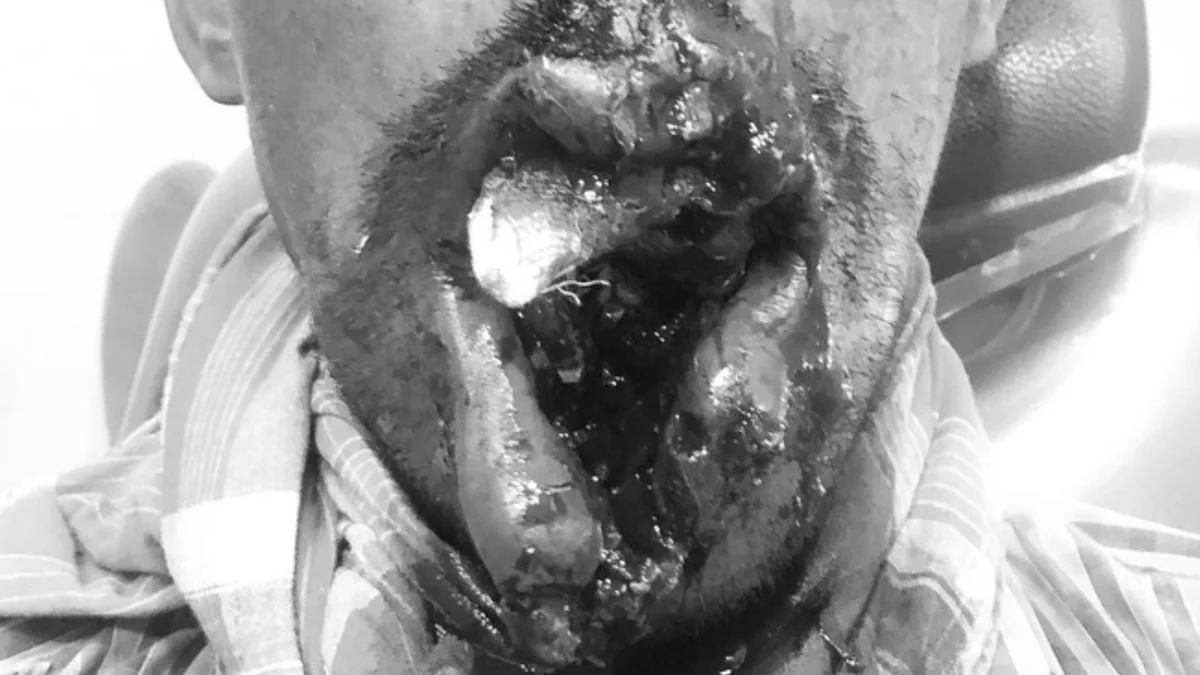
The most common facial fracture. Caused by RTA, assault, or fall. Presents with bite change, pain, swelling, and numbness of the lip. Treated with open reduction and titanium plate fixation.
Zygomatic (Cheekbone) Fracture
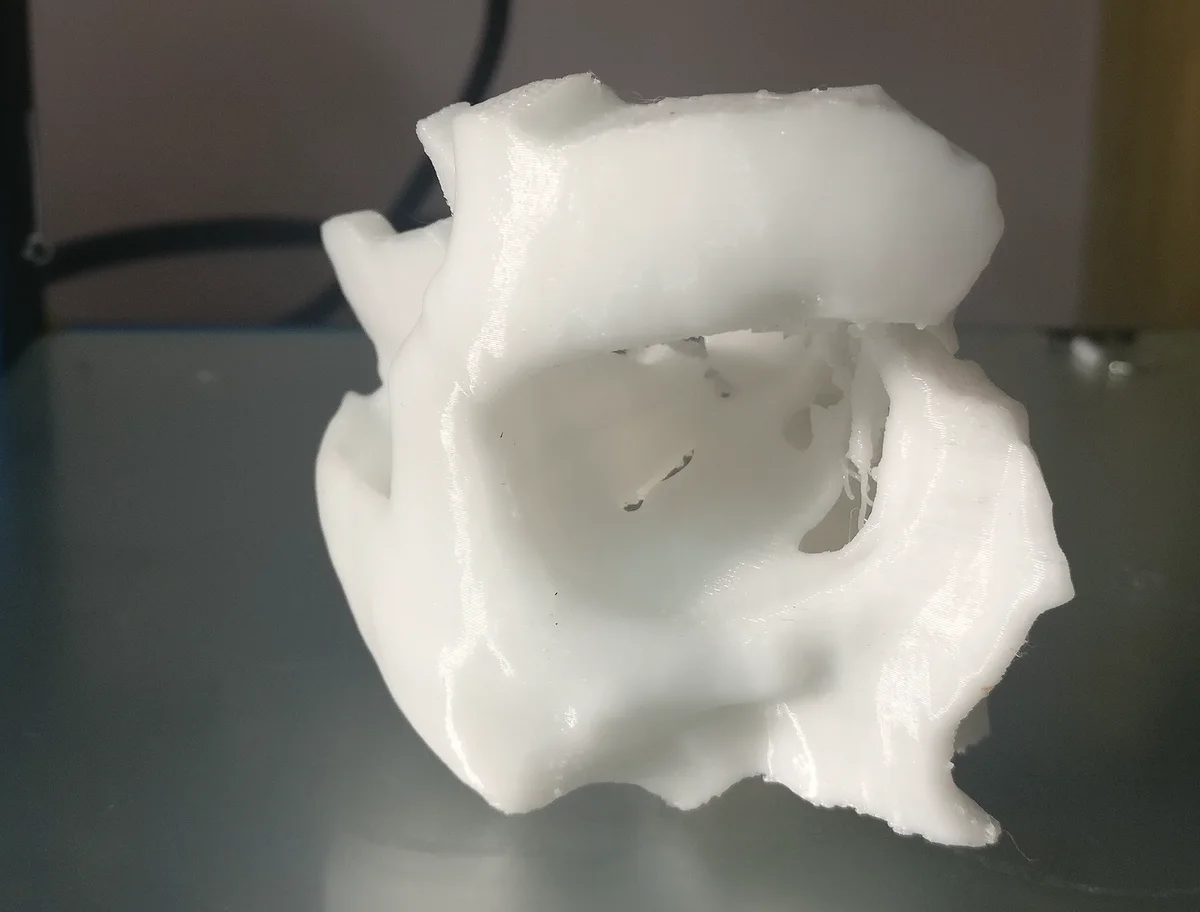
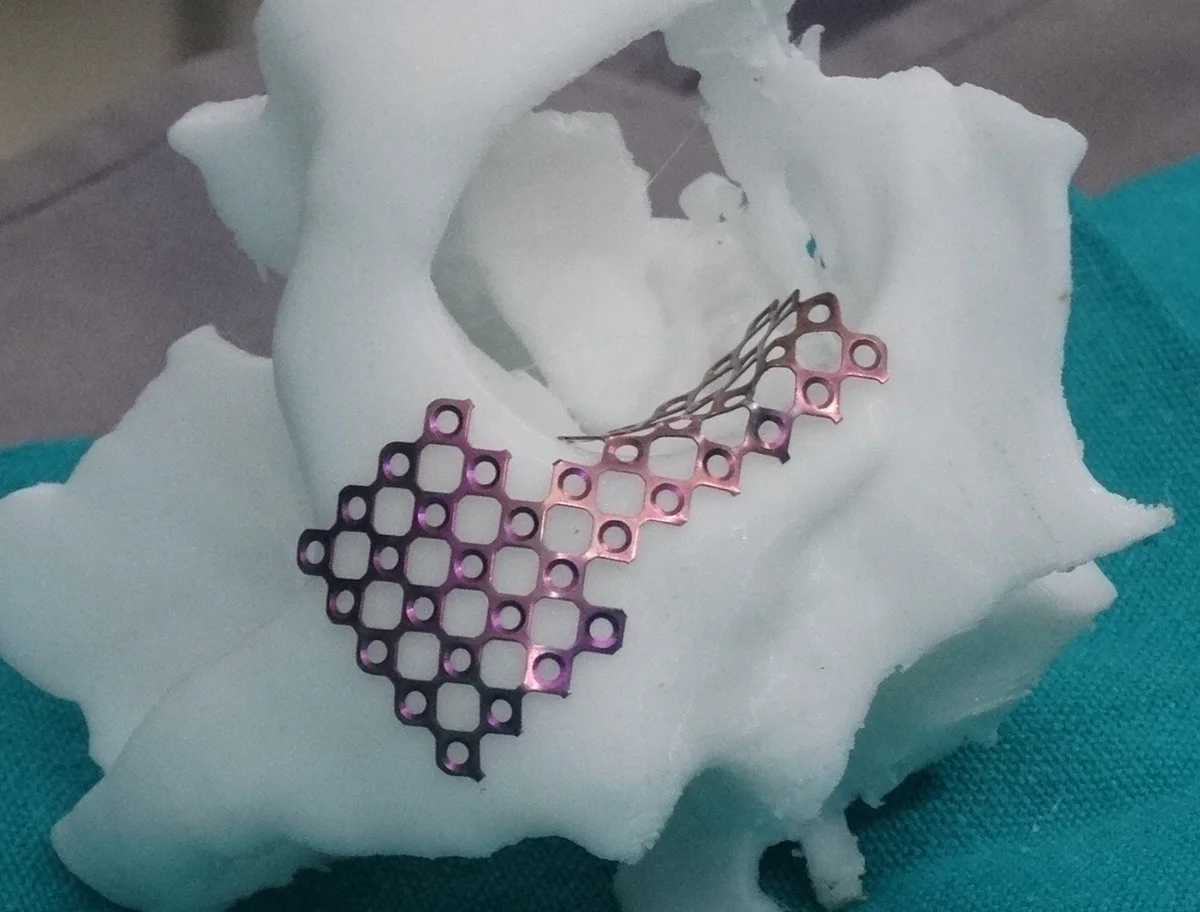
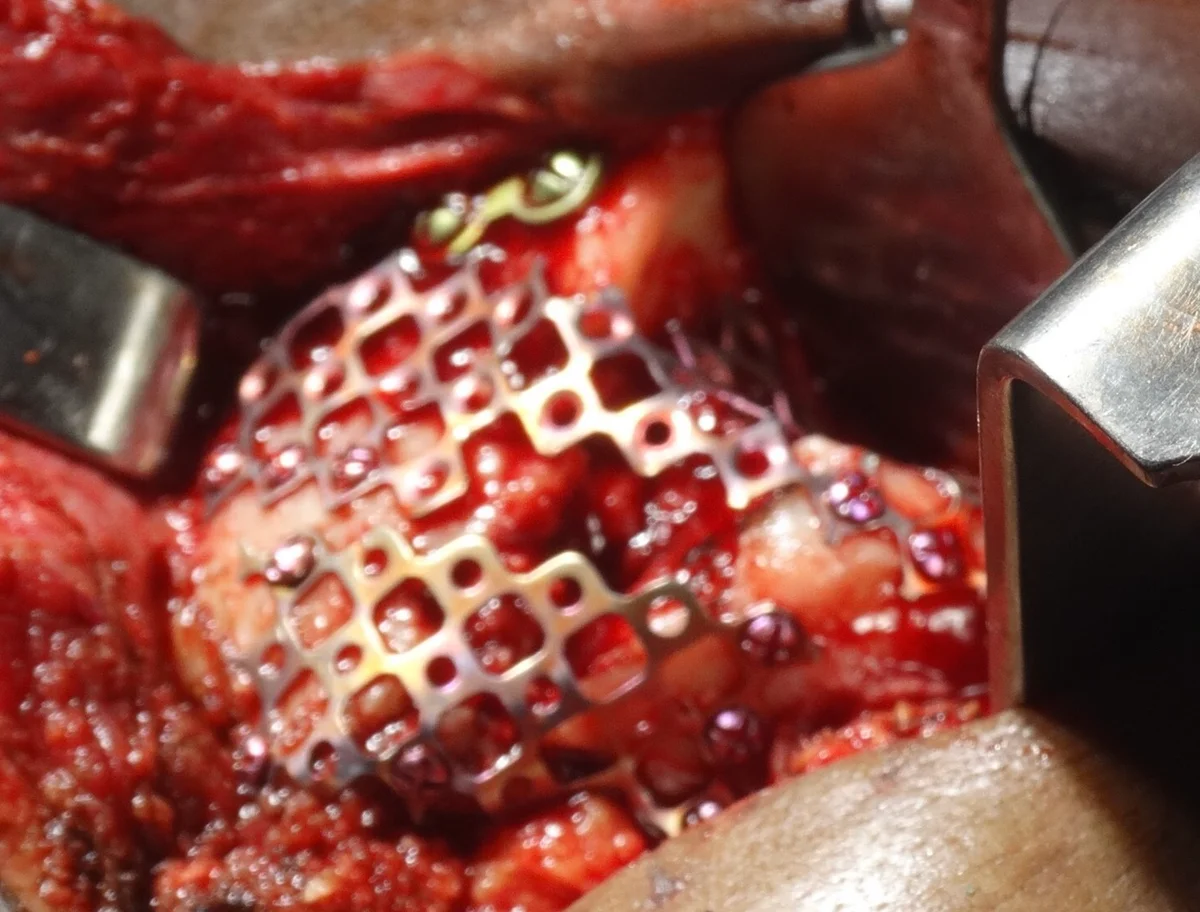
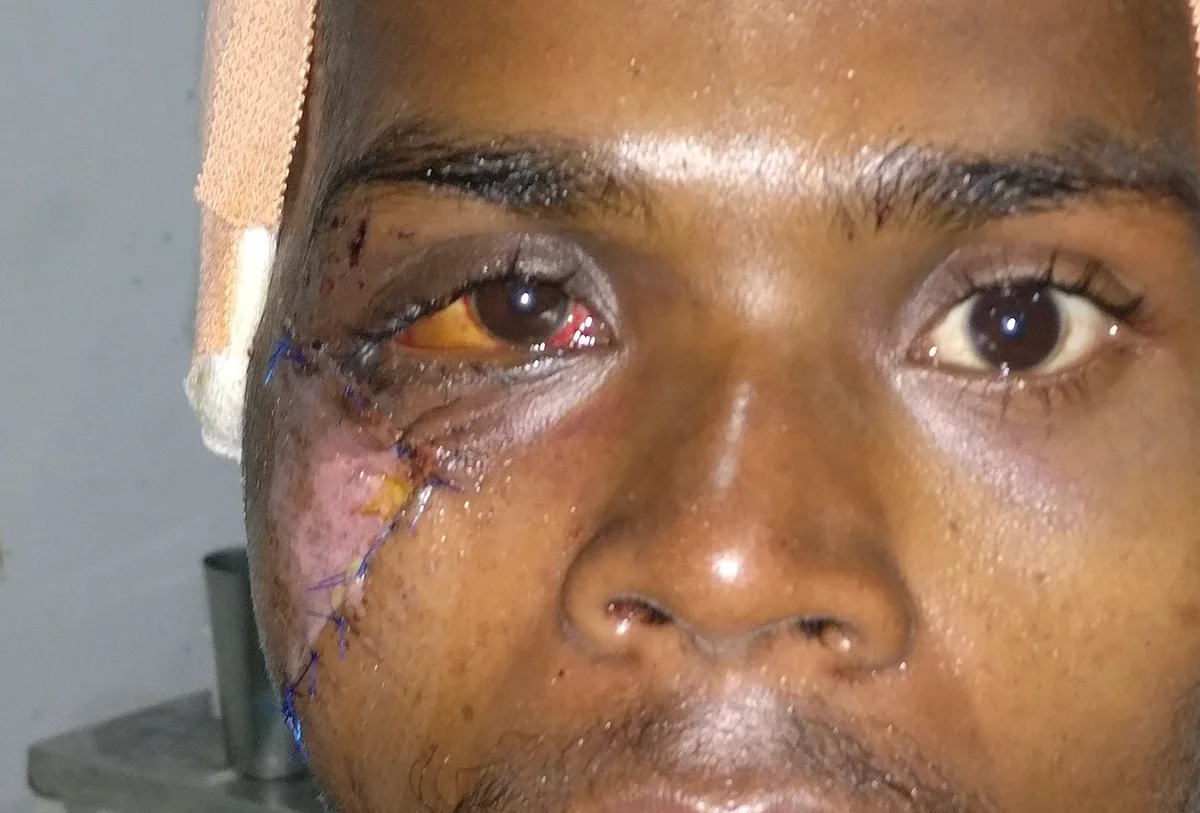
A blow to the cheek flattens the cheekbone (zygoma), causing facial asymmetry, difficulty opening the mouth, numbness under the eye, and possible double vision. Requires elevation and fixation.
Orbital (Eye Socket) Fracture
Blowout fractures of the orbital floor or walls cause diplopia (double vision), enophthalmos (sunken eye), and infraorbital numbness. Surgical repair prevents permanent eye position changes.
Maxillary (Upper Jaw) Fracture
Le Fort fractures involve the upper jaw and midface at three classic levels (Le Fort I, II, III). High-energy trauma causes facial collapse, bite deformity, and midface instability.
Nasal Fracture
The most commonly fractured facial bone. A nasal fracture causes nasal deviation, swelling, and sometimes airway obstruction from a septal haematoma which requires urgent drainage.
Panfacial Fracture
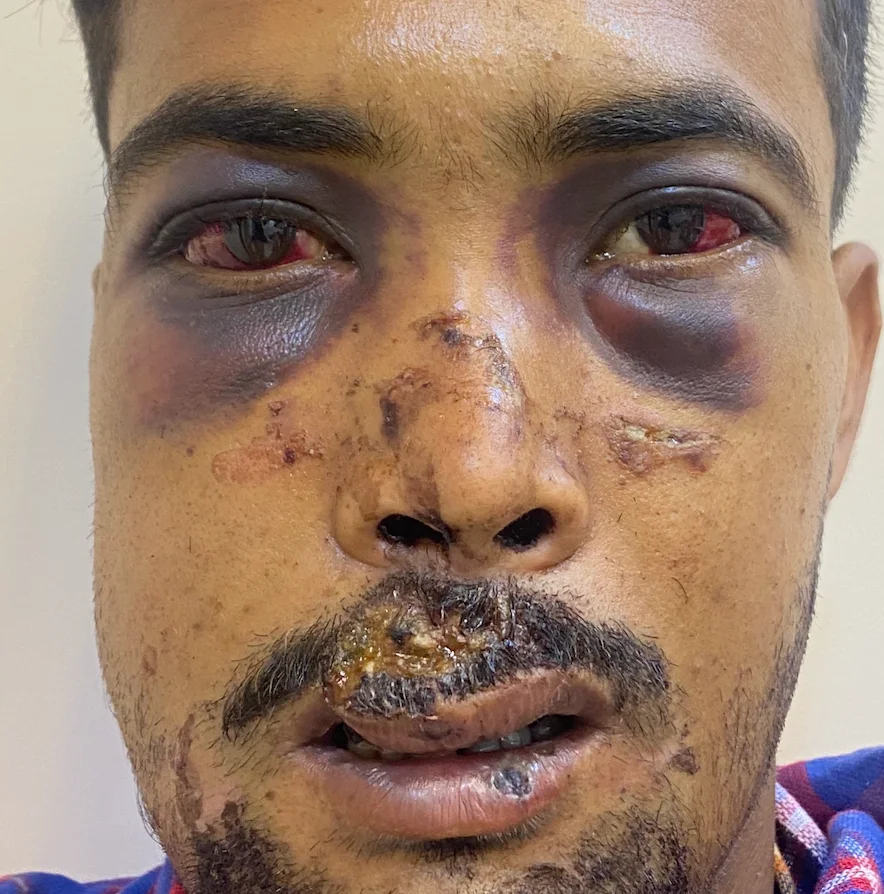
Multiple facial bones fractured simultaneously from high-velocity trauma (major RTA). Requires careful surgical planning and staged reconstruction to restore facial projection, symmetry, and bite.
Frequently Asked Questions
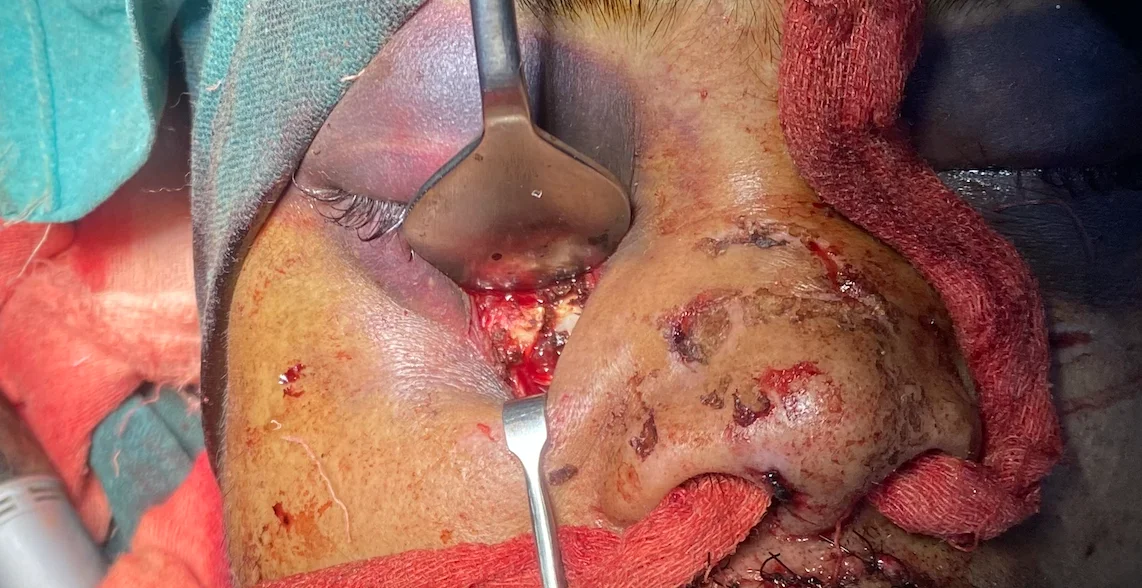
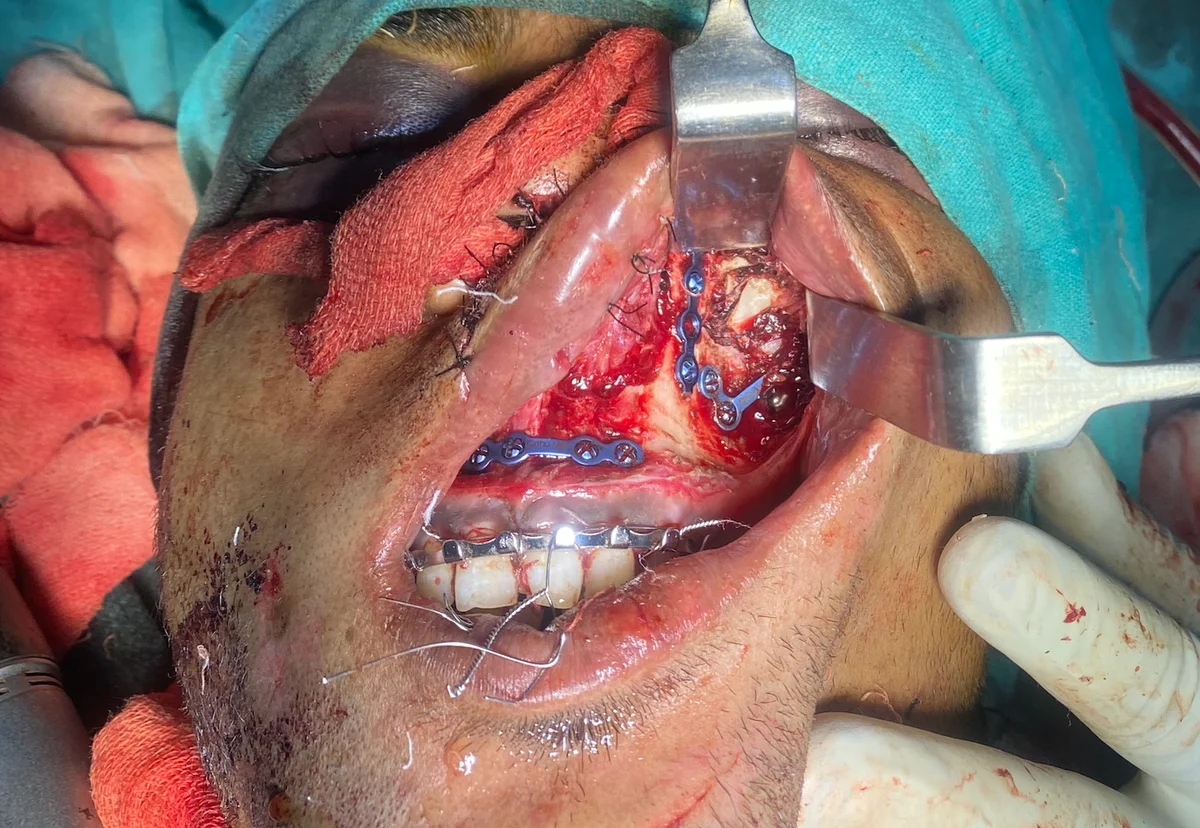
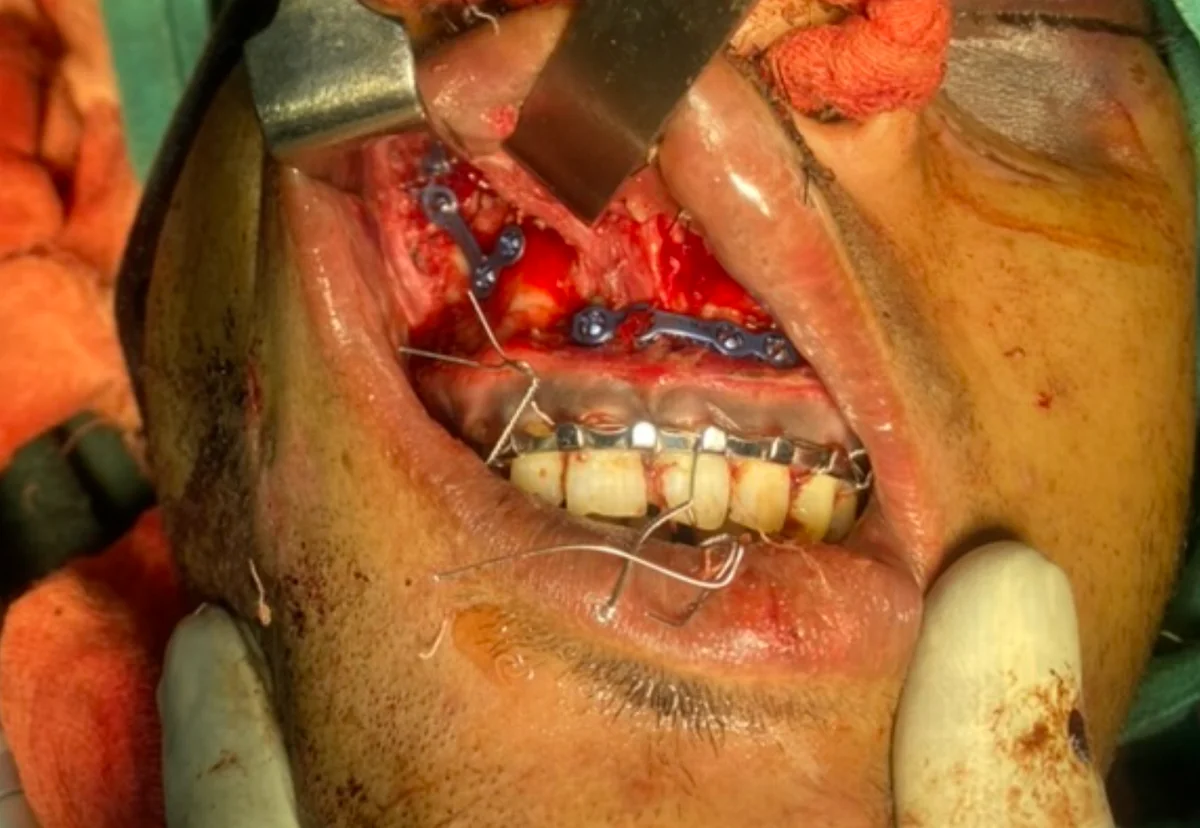
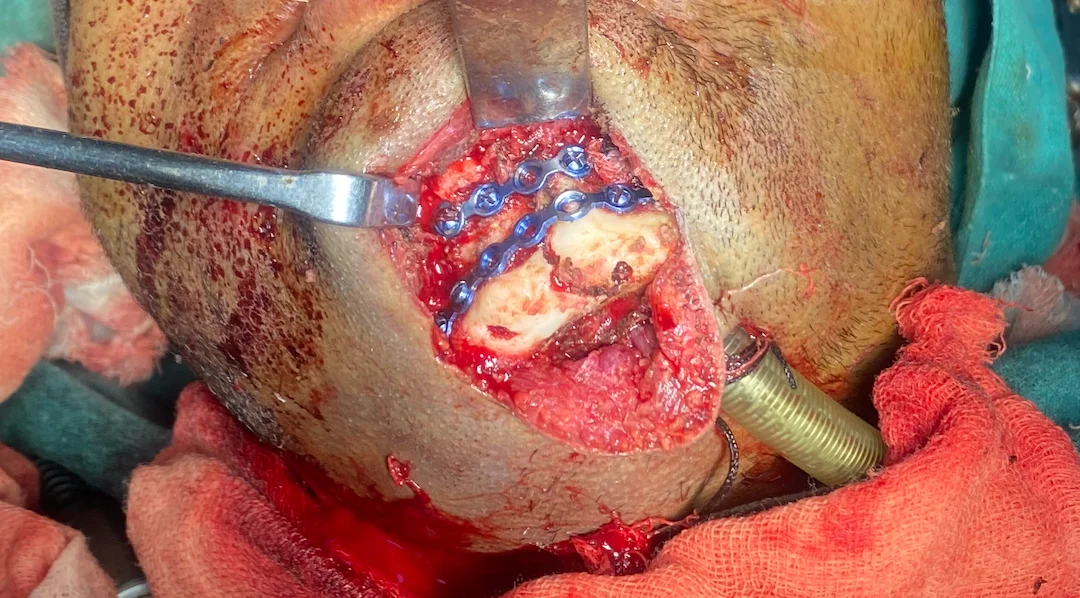
Representative Cases
Selected cases managed by Dr. Abhisek Chatterjee. All images used with patient consent.
Mandible Fracture — ORIF with Titanium Plates
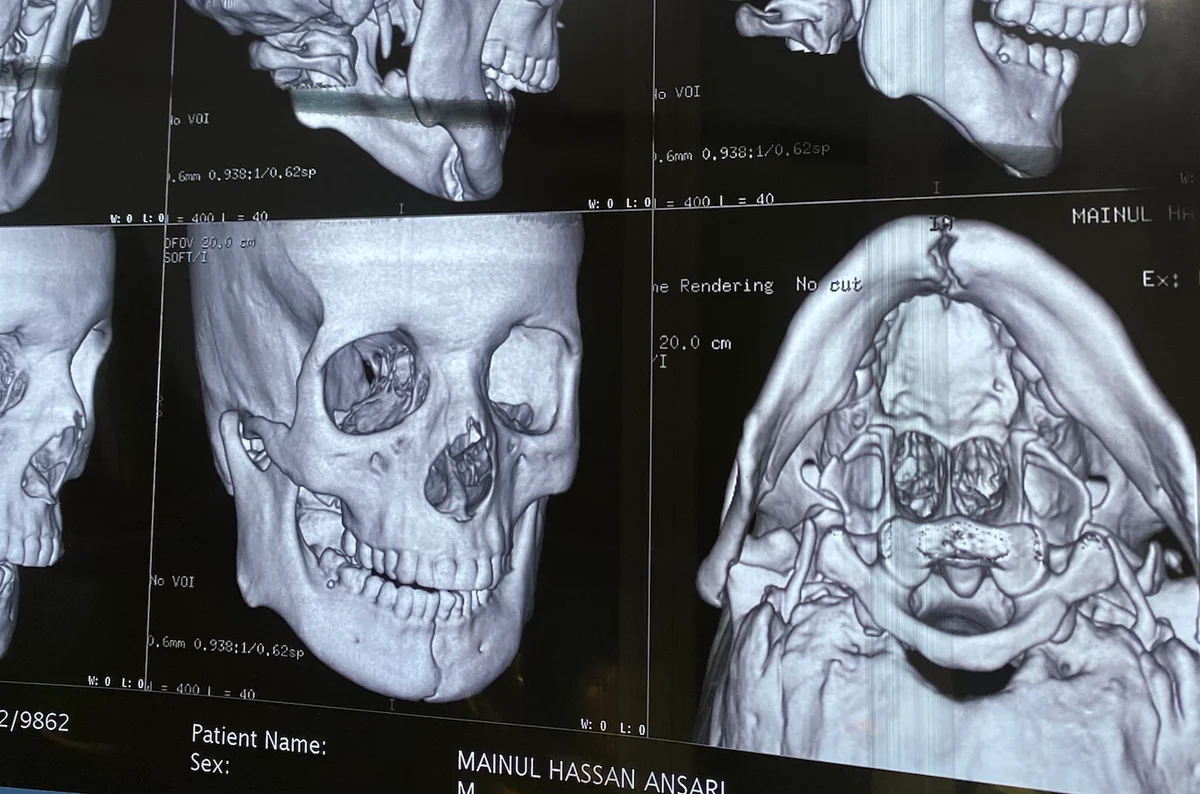
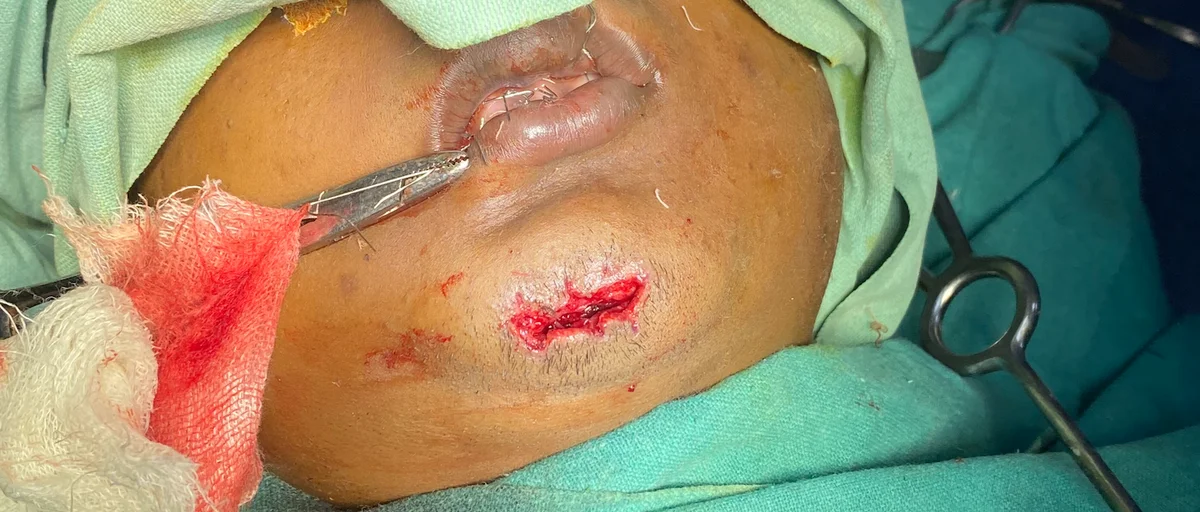
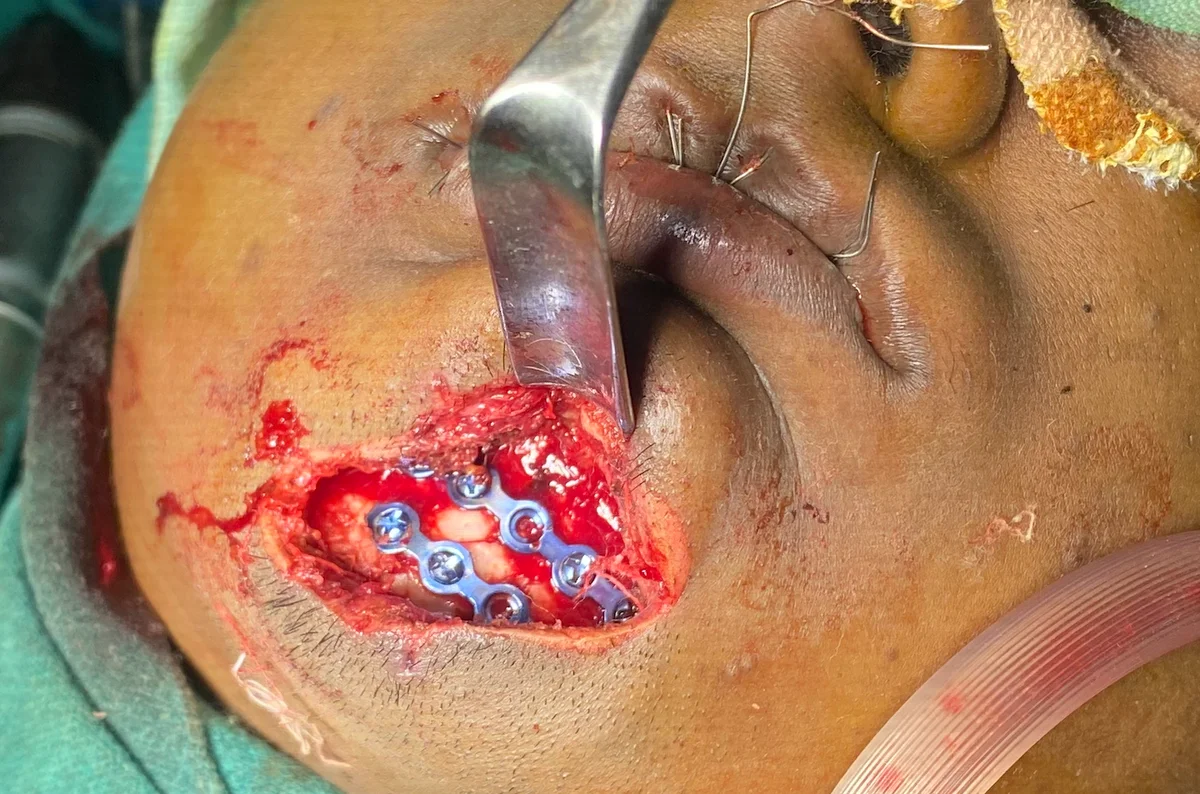
Zygomatic (Cheekbone) Fracture — 3D-Planned Repair
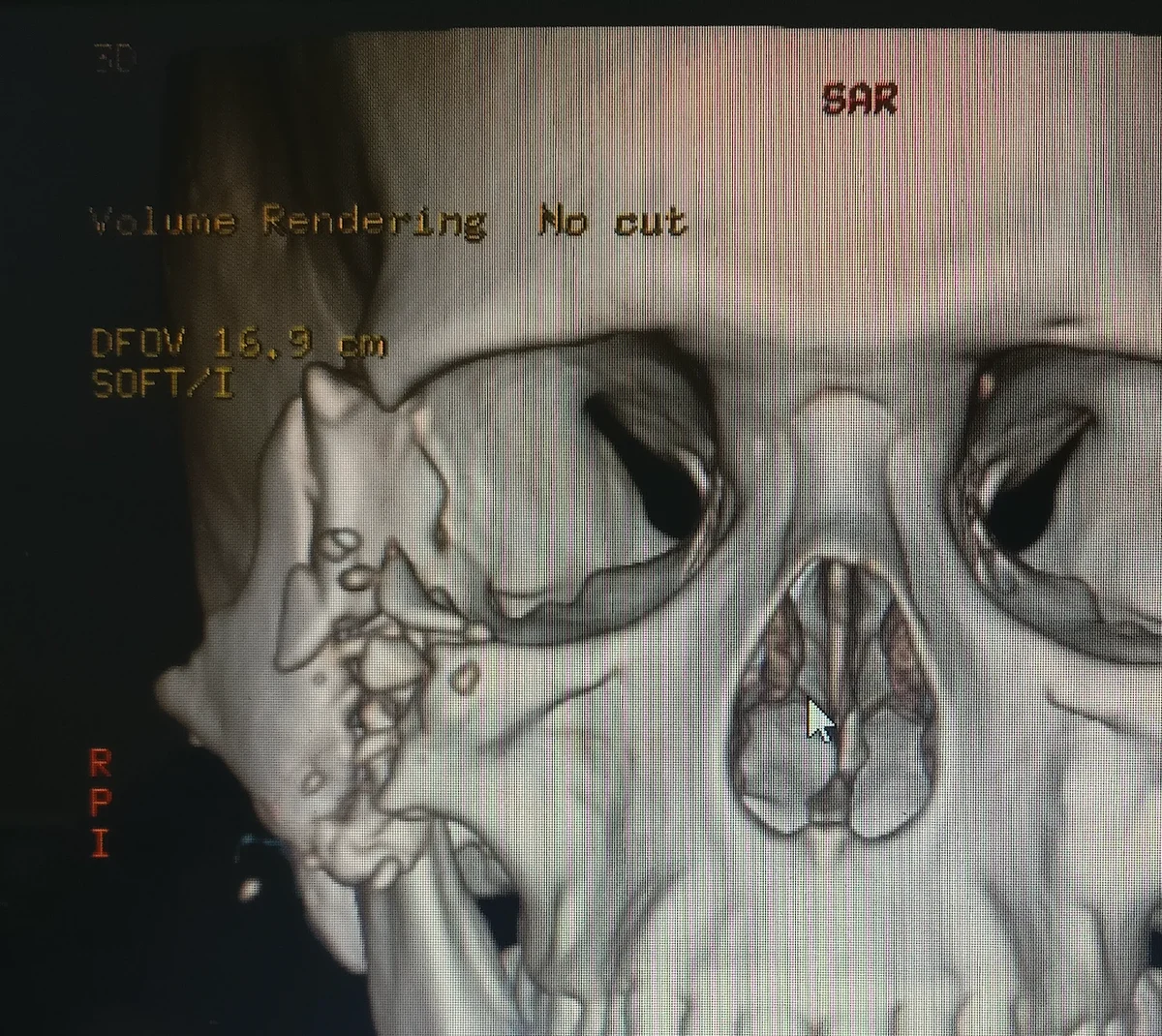
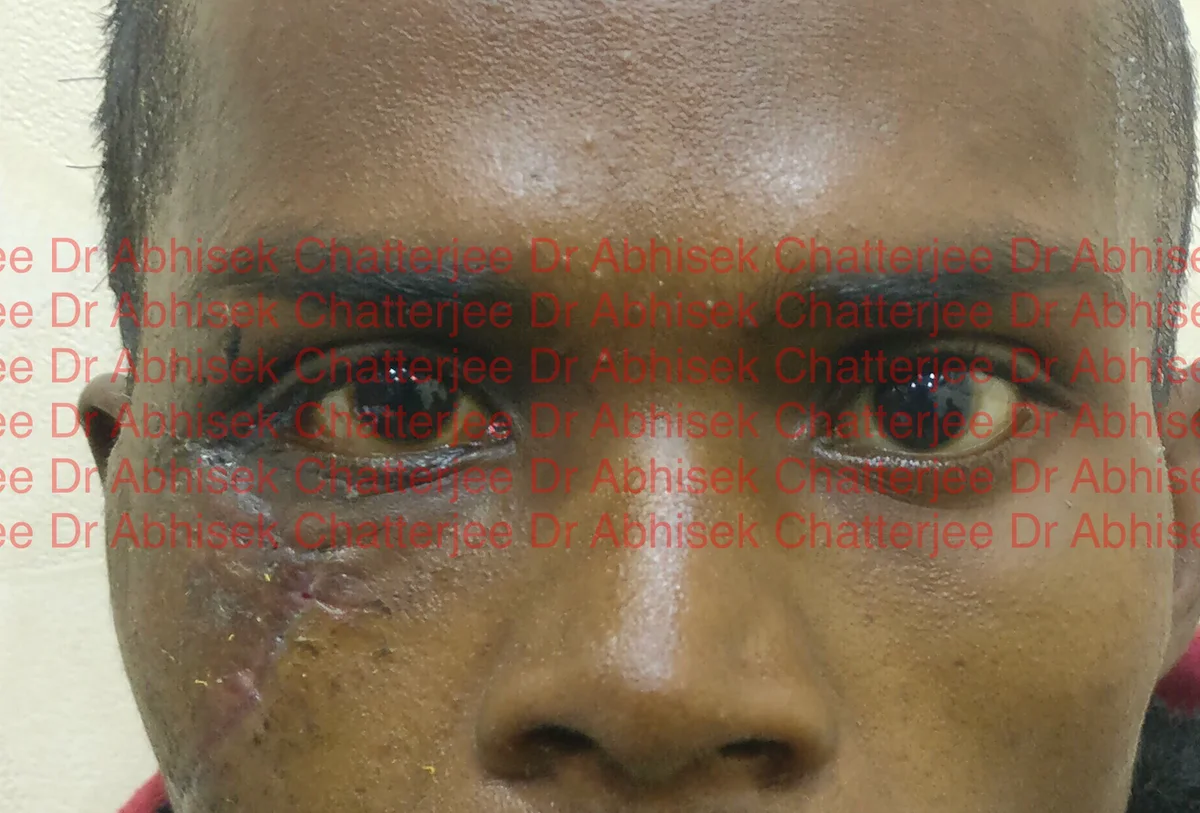
Nasal Fracture & Augmentation Rhinoplasty
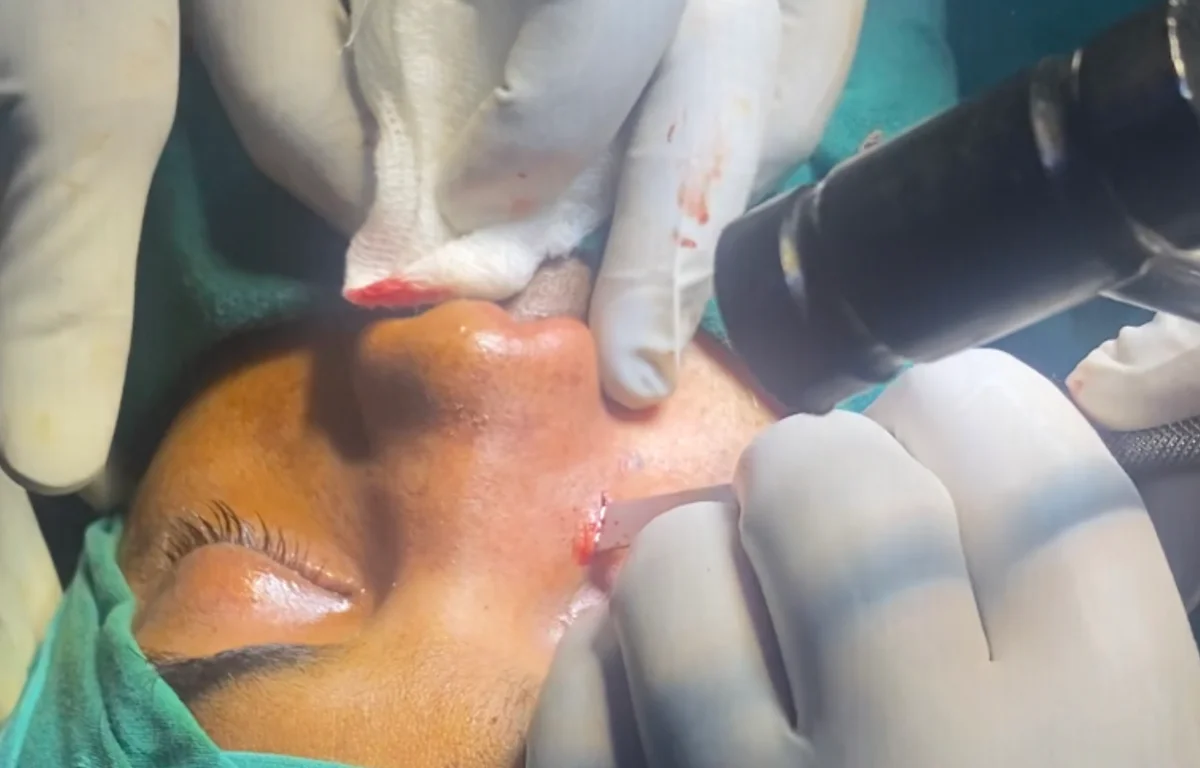
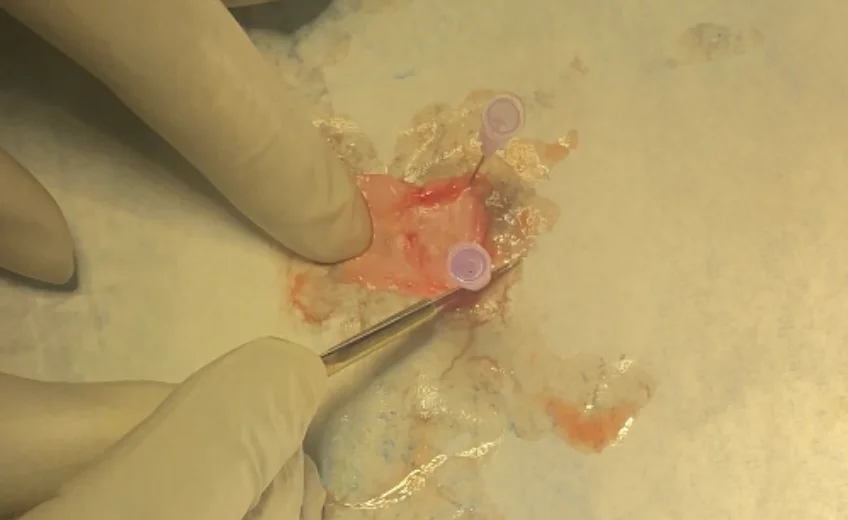
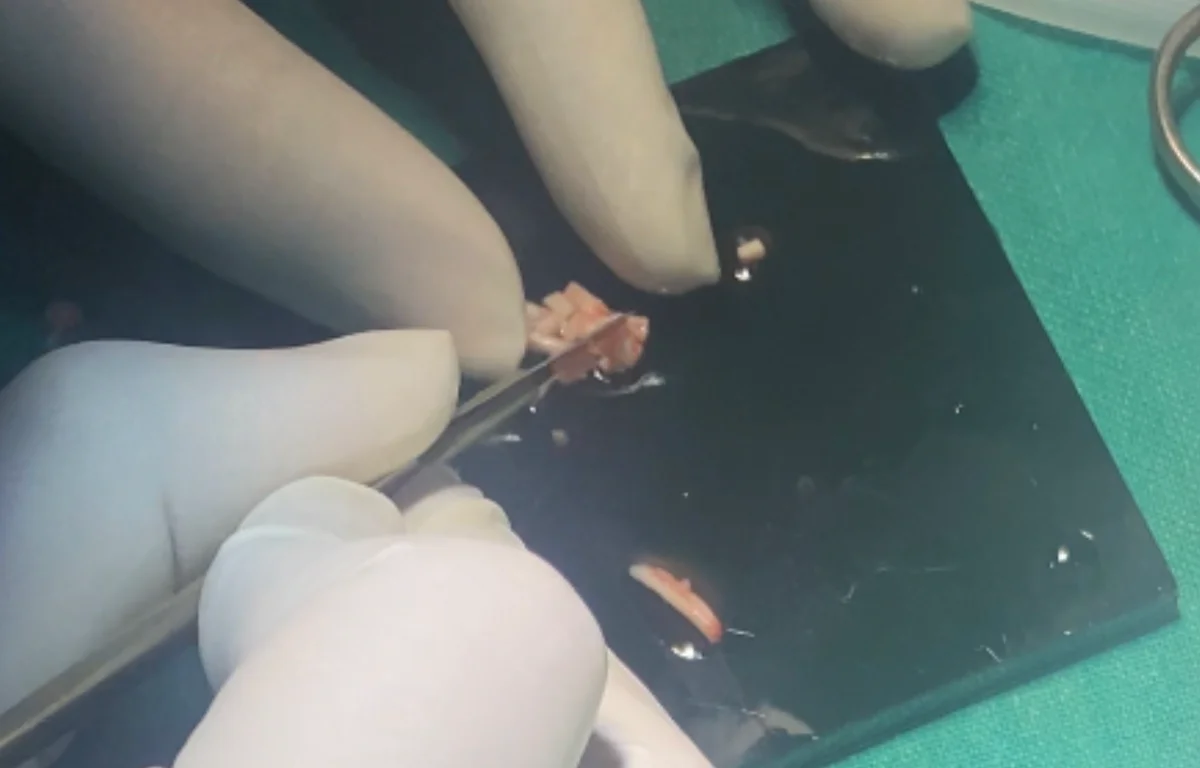
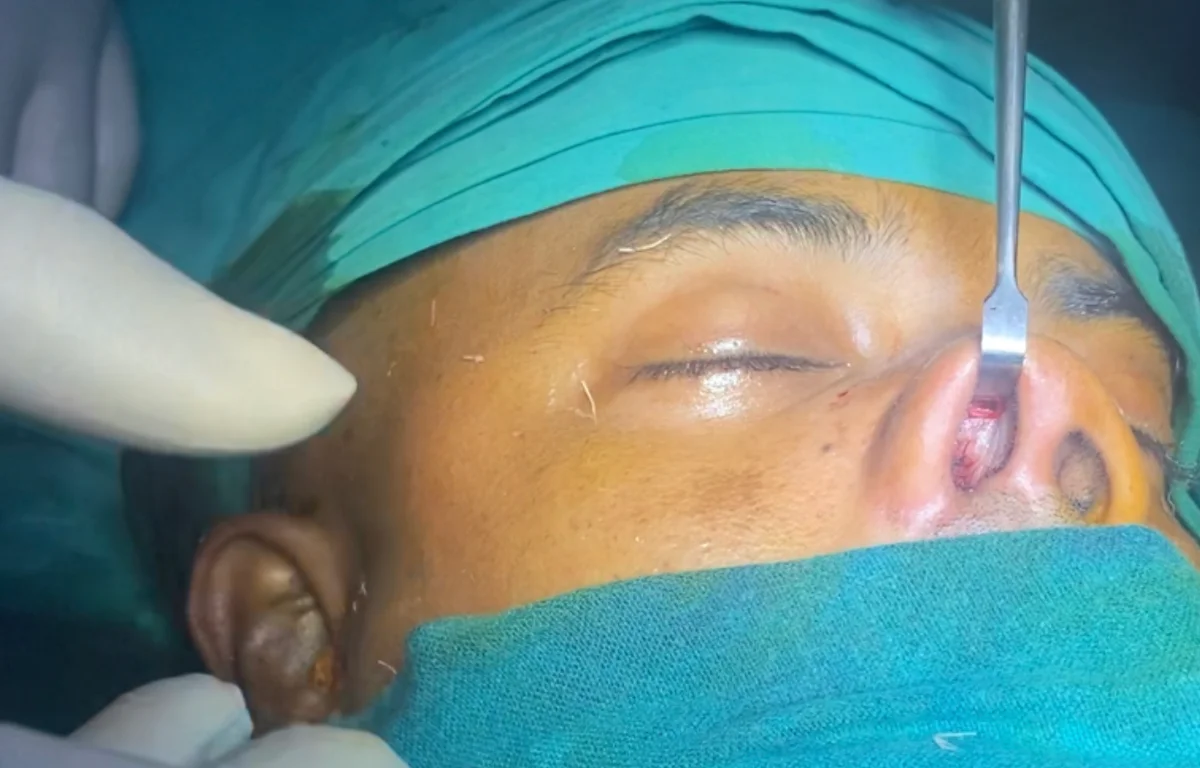
Comminuted Mandible Fracture — Complex Fixation
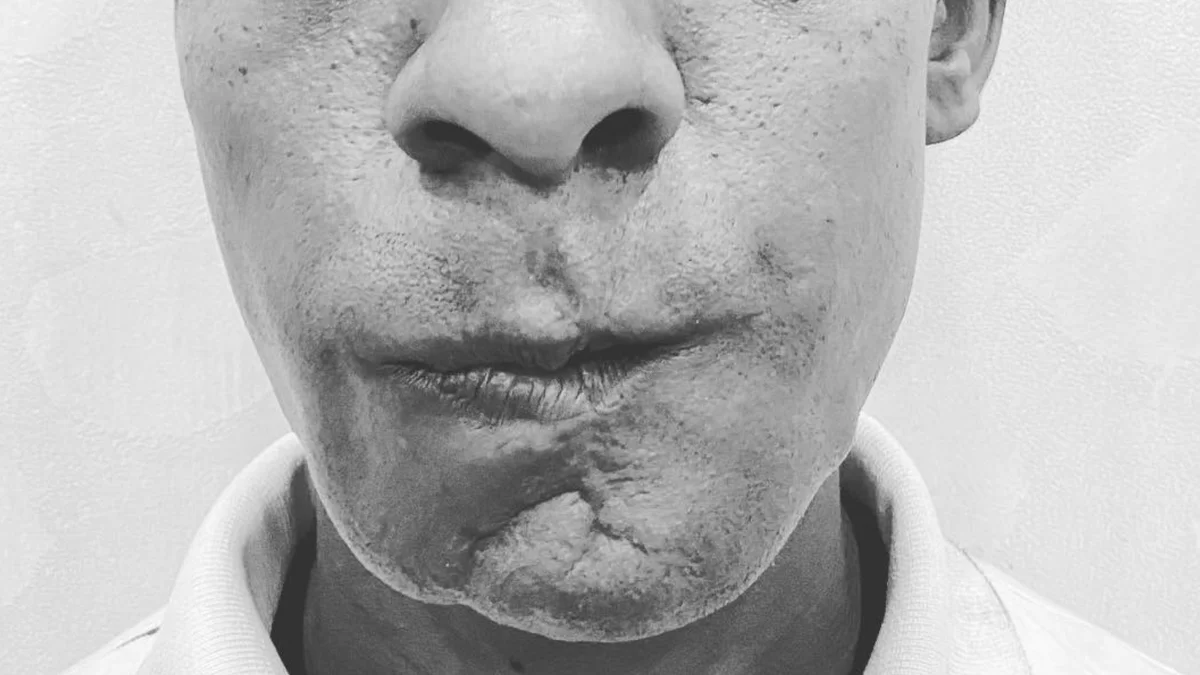
Panfacial Fracture — Complex Multi-Bone Repair
Facial Injury? Get Same-Day Evaluation
Dr. Abhisek Chatterjee manages all facial fractures at Asha Nursing Home and Rampurhat Government Medical College. Call directly for emergency consultation.